 English
 Polski
 Română
 Italiano
 Español
 Português
 Magyar
 Lietuvių
 Ελληνικά
 Čeština
Stretch Fabrics for Workwear
Stretch workwear fabrics for garments that move with the wearer - kneeling, climbing and reaching without pulling, with recovery that prevents bagging.
10 prodotti
- In evidenza
- Nome A–Z
- Prezzo: dal più basso al più alto
- Prezzo: dal più alto al più basso
- Peso: dal più leggero al più pesante
- Peso: dal più pesante al più leggero
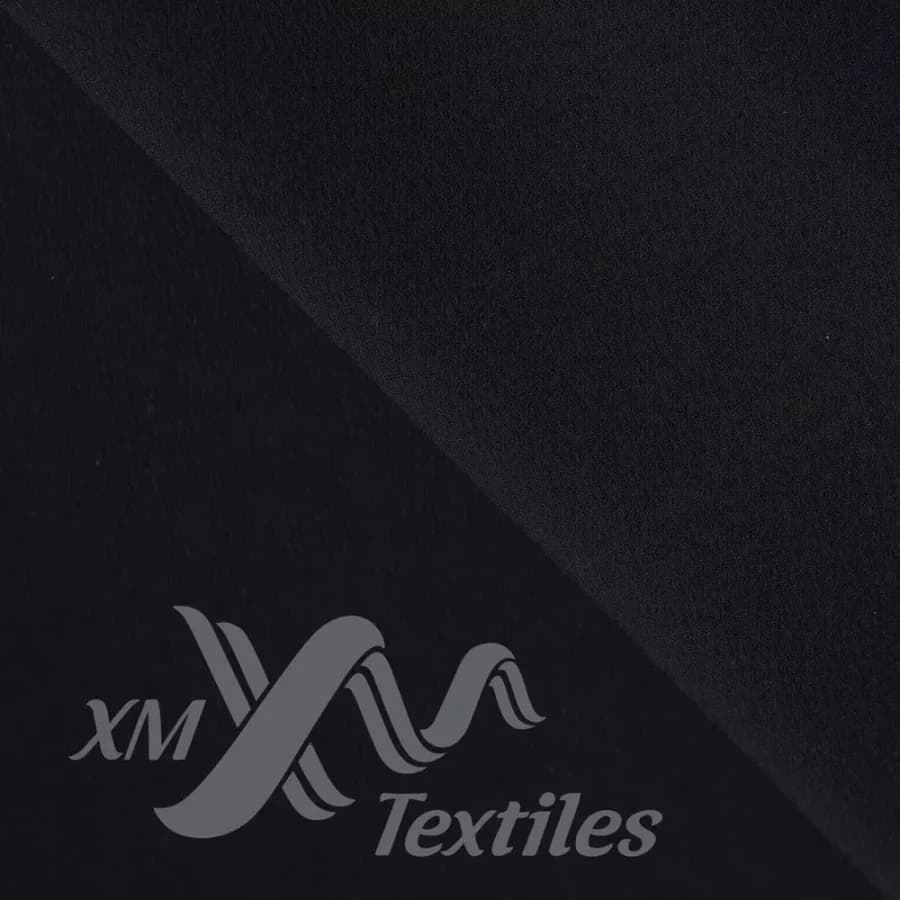
SHELLFLEX-230
230 g/m² | 90% Nylon, 10% Spandex
da 7,08 € /m · IVA inclusa
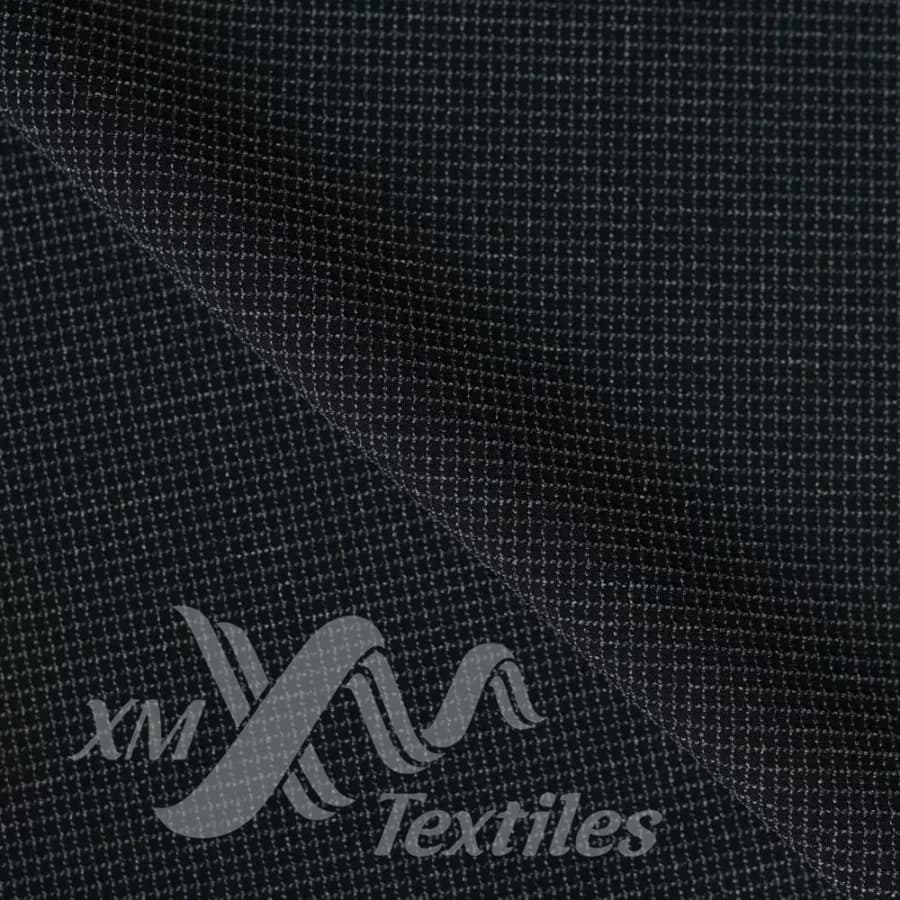
COSTA-165
165 g/m² | 92% Poliestere, 8% Spandex
5,12 € /m · IVA inclusa
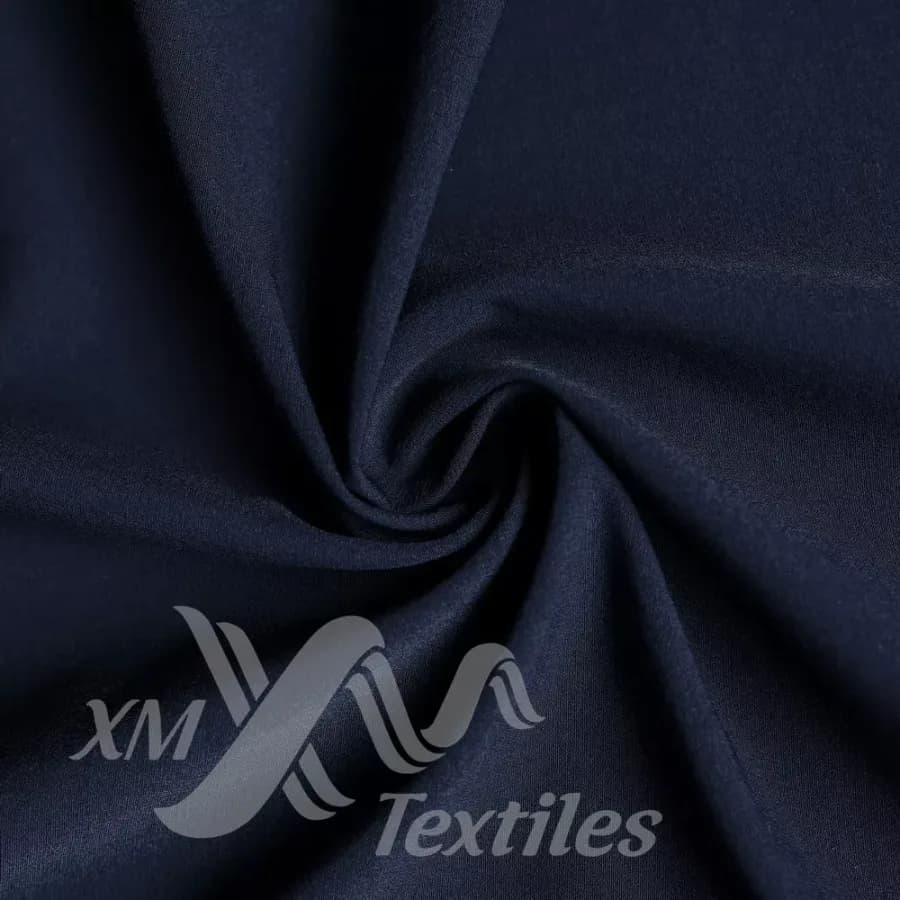
SHELLFLEX-300
300 g/m² | 90% Nylon, 10% Spandex
9,98 € /m · IVA inclusa
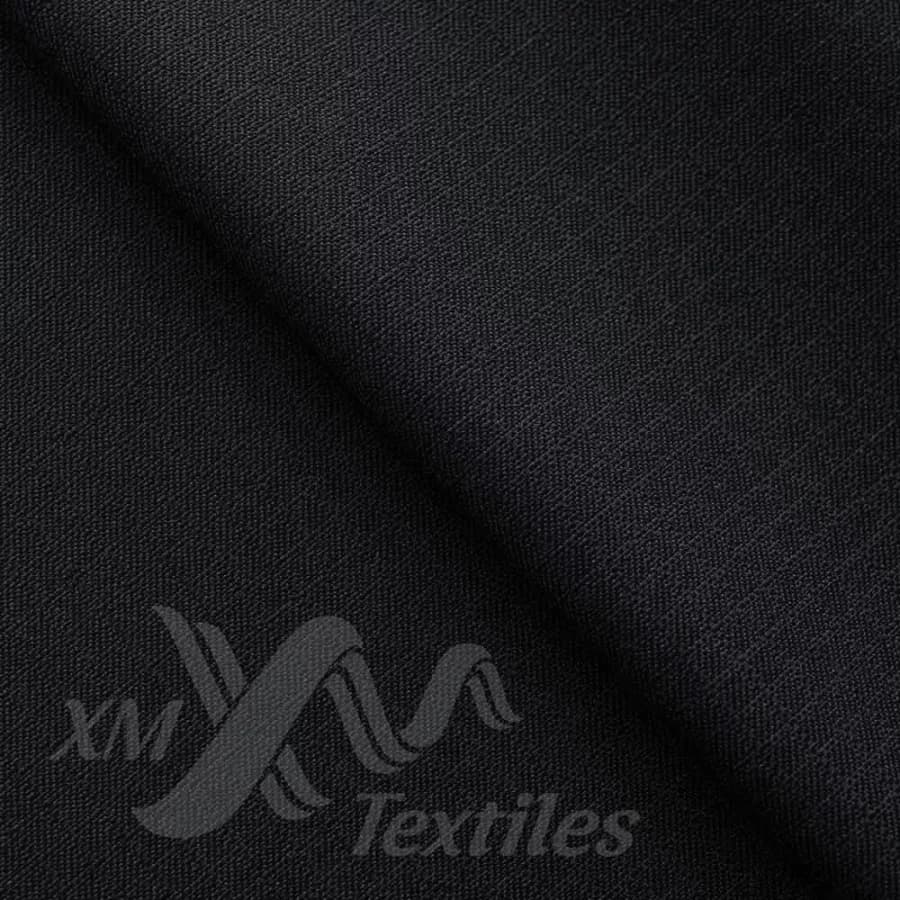
FORTIS-235 STRETCH
235 g/m² | 65% Poliestere, 32% Cotone, 3% Spandex
da 4,12 € /m · IVA inclusa
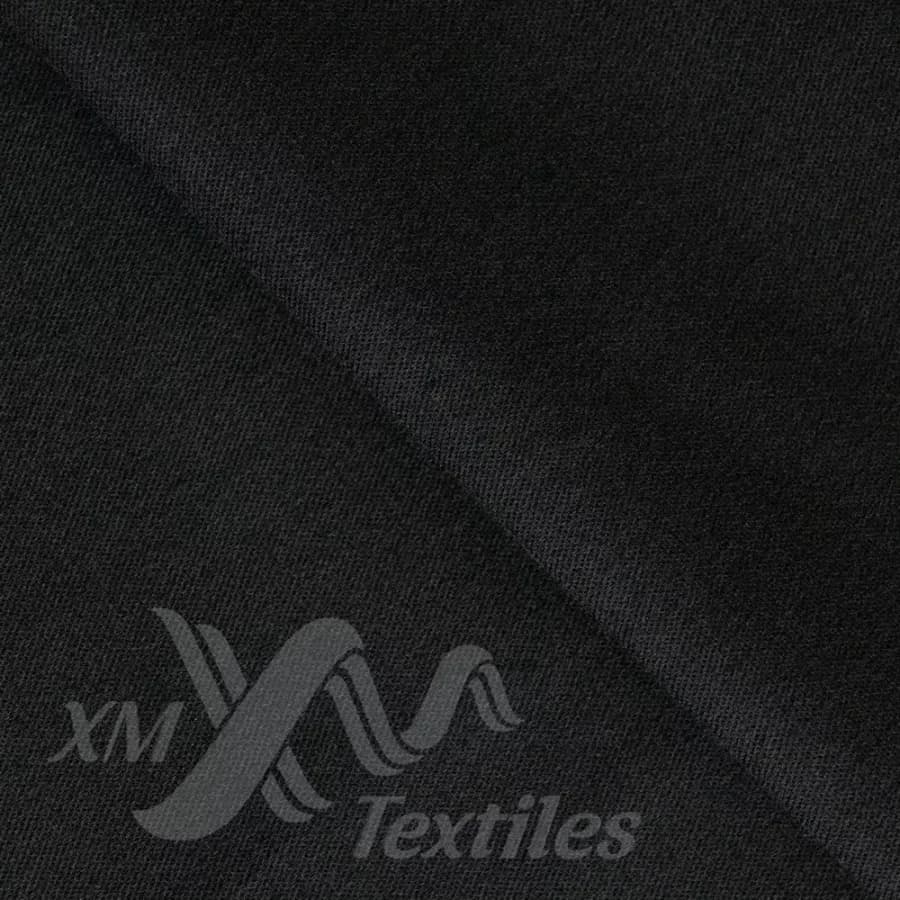
SHELLFLEX-265
265 g/m² | 90% Nylon, 10% Spandex
da 7,80 € /m · IVA inclusa
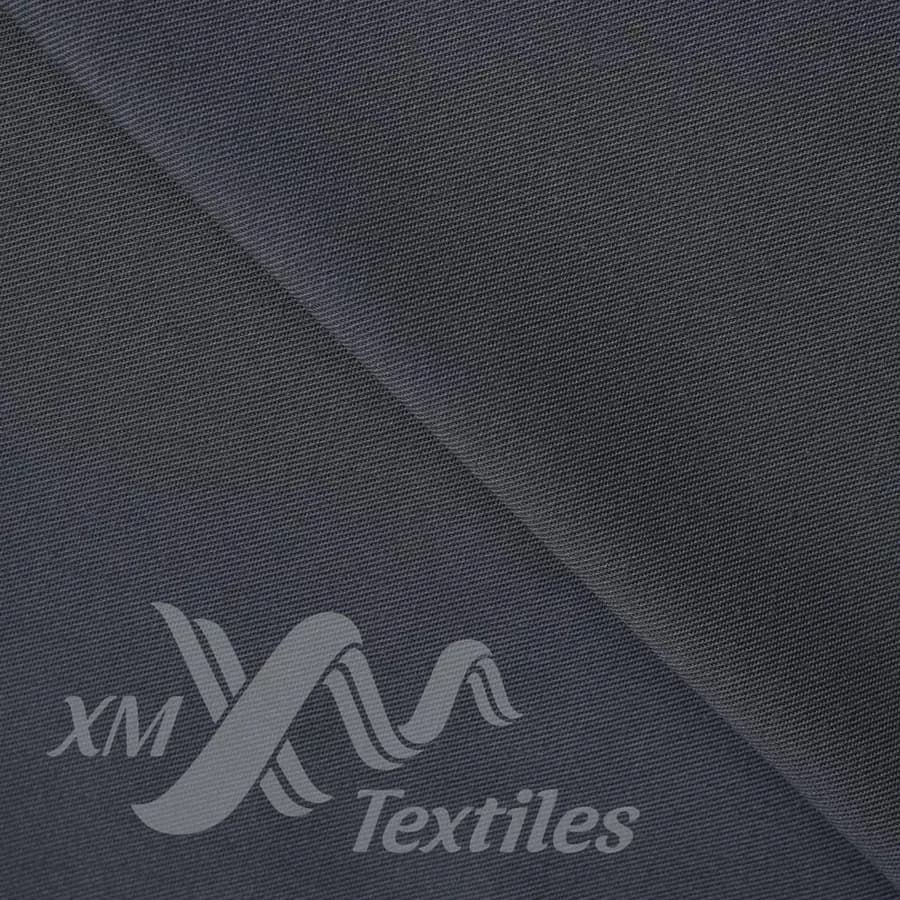
LUKAS ACTIVE-245
245 g/m² | 64% Poliestere, 34% Cotone, 2% Elastan
da 4,01 € /m · IVA inclusa

ACTIVA-200
200 g/m² | 95% Nylon, 5% Spandex
da 6,13 € /m · IVA inclusa
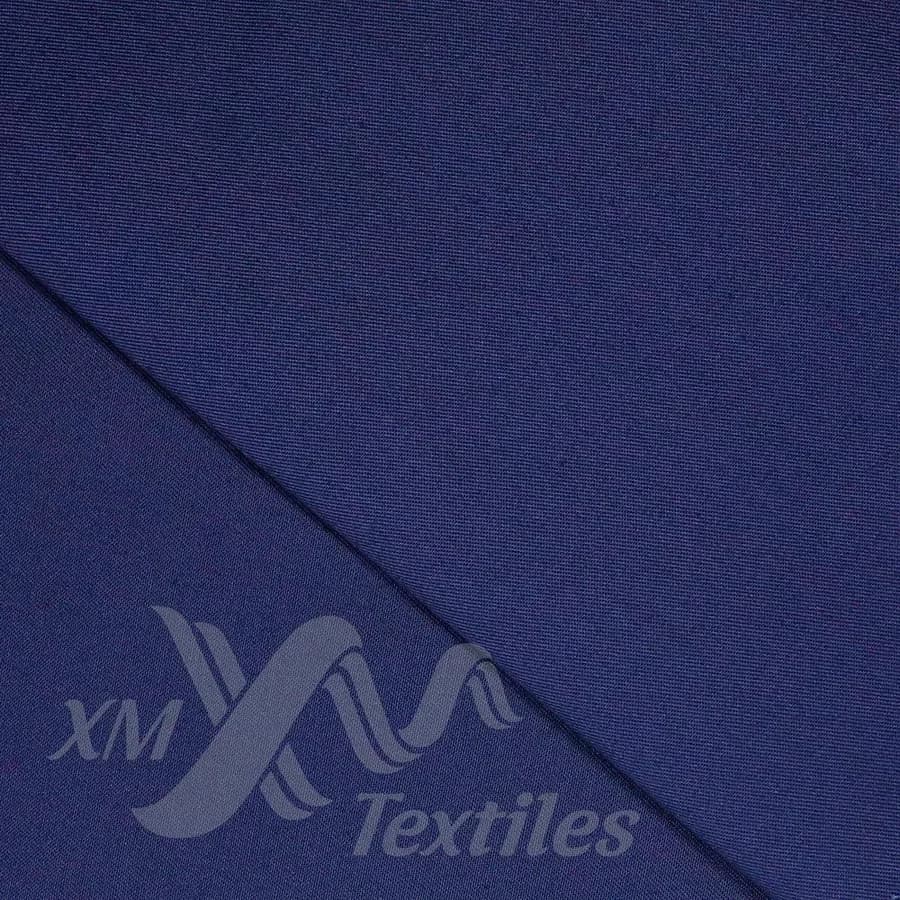
TOPPER-245 STRETCH
245 g/m² | 65% Poliestere, 32% Cotone, 3% EOL
da 5,77 € /m · IVA inclusa
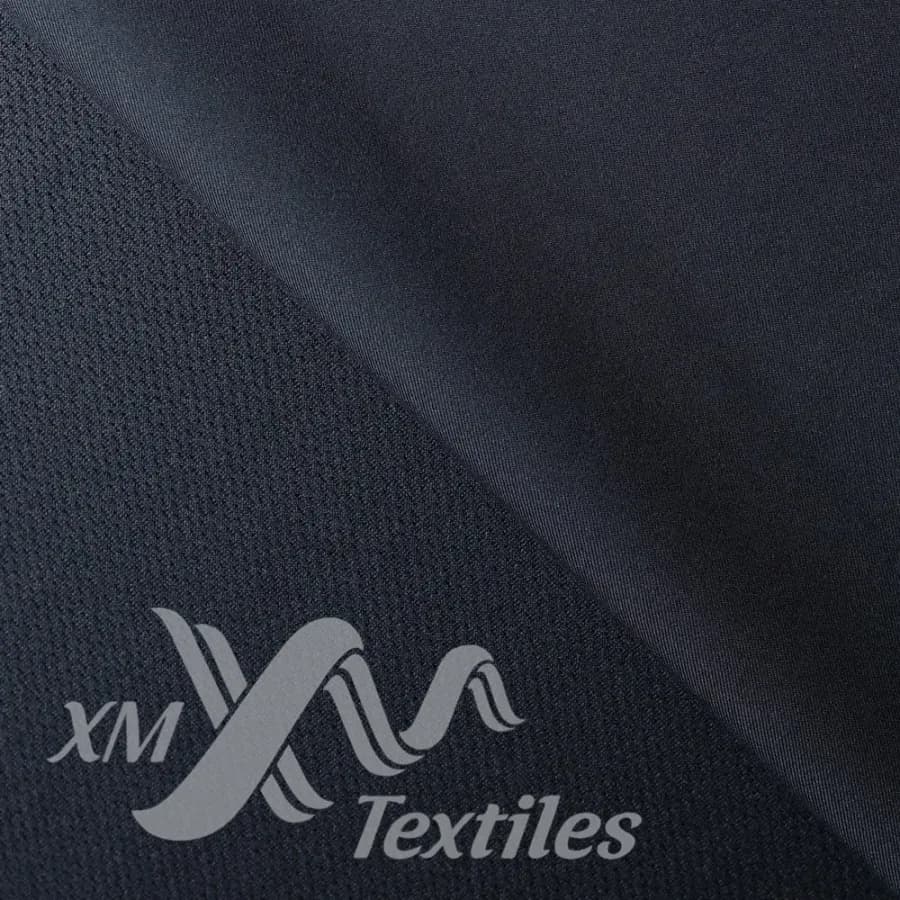
RAINBLOCK PLUS-255
255 g/m² | 100% Poliestere
da 5,49 € /m · IVA inclusa
OPAL-250
250 g/m² | 95% Cotone, 5% Spandex
da 4,65 € /m · IVA inclusa
Filtri
Stretch fabric matters where the job involves kneeling, climbing and reaching overhead — a rigid trouser pulls at the knee and the wearer feels it by mid-shift. This range holds 16 published articles from 165 to 300 g/m², all OEKO-TEX STANDARD 100 certified, with selected articles meeting EN 343 or EN ISO 20471. Elastane content gives both stretch and recovery, so garments return to shape instead of bagging at the knee. Used for fitted workwear in installation, maintenance, utilities and technical services.
Standard & certification guides
The standards behind this range, explained on xmtextiles.com — what each one covers and how to choose compliant material.
Domande frequenti
Quando il tessuto stretch vale il costo?
Quando il lavoro richiede di inginocchiarsi, arrampicarsi o allungarsi sopra la testa. Un pantalone rigido tira sul ginocchio, e chi lo indossa se ne accorge a metà turno.
Qual è la differenza tra elasticità e recupero?
L'elasticità è quanto il tessuto cede; il recupero è se torna in forma. Senza recupero il capo si sforma al ginocchio dopo poche indossate — l'elastan garantisce entrambi.
Cosa è disponibile?
16 articoli pubblicati da 165 a 300 g/m², tutti certificati OEKO-TEX STANDARD 100, con articoli selezionati conformi a EN 343 o EN ISO 20471.