 English
 Polski
 Română
 Italiano
 Español
 Português
 Magyar
 Lietuvių
 Ελληνικά
 Čeština
ESD Fabrics for Cleanrooms
Antistatic ESD fabrics with a conductive carbon grid for cleanroom, electronics and ATEX-area workwear. Low particle shedding, stable after washing.
4 products
- Featured
- Name A–Z
- Price: low to high
- Price: high to low
- Weight: light to heavy
- Weight: heavy to light
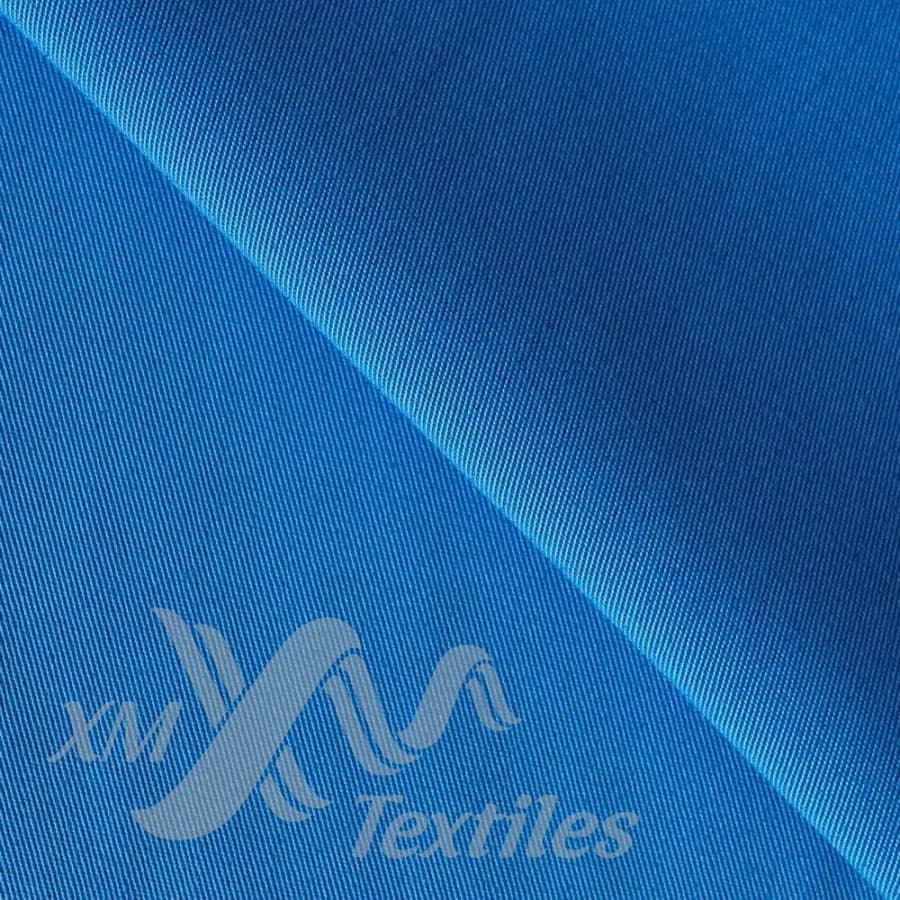
CLEANSTATIC-240
240 g/m² | 65% Polyester, 33% Cotton, 2% Carbon Antistatic
from 5,76 € /m · incl. VAT
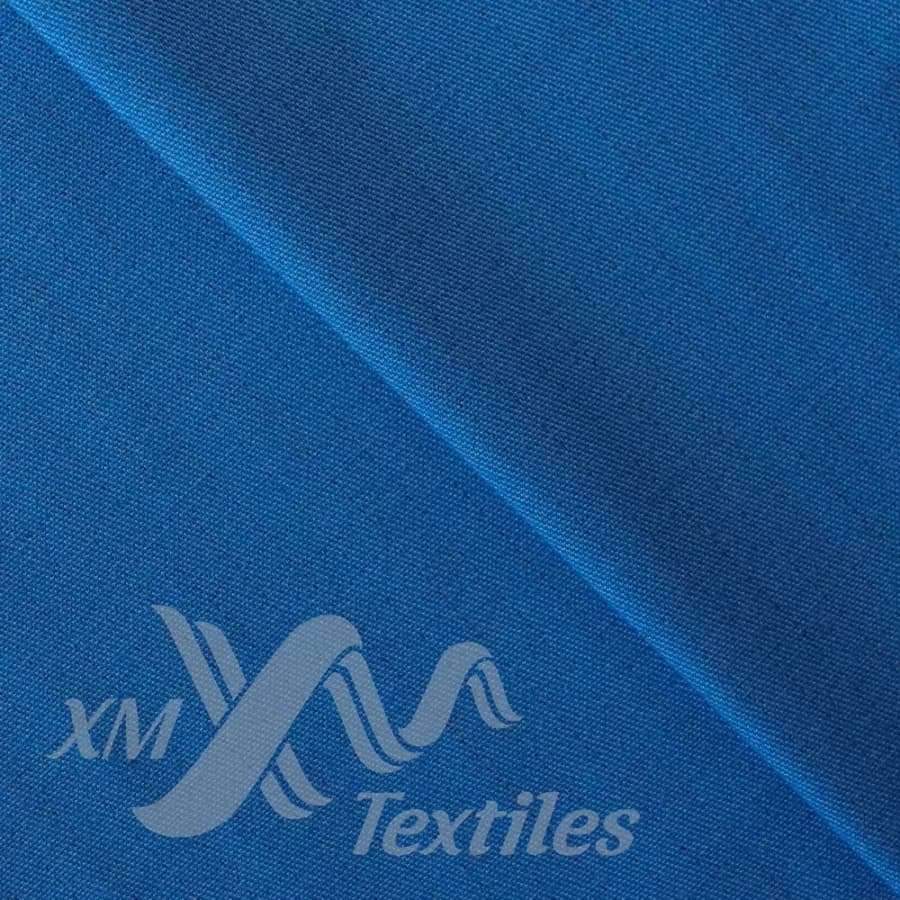
CLEANSTATIC-180
180 g/m² | 65% Polyester, 33% Cotton, 2% Carbon Antistatic
from 4,44 € /m · incl. VAT

CLEANSTATIC-140
140 g/m² | 63% Polyester, 33% Cotton, 4% Carbon Antistatic
from 4,35 € /m · incl. VAT
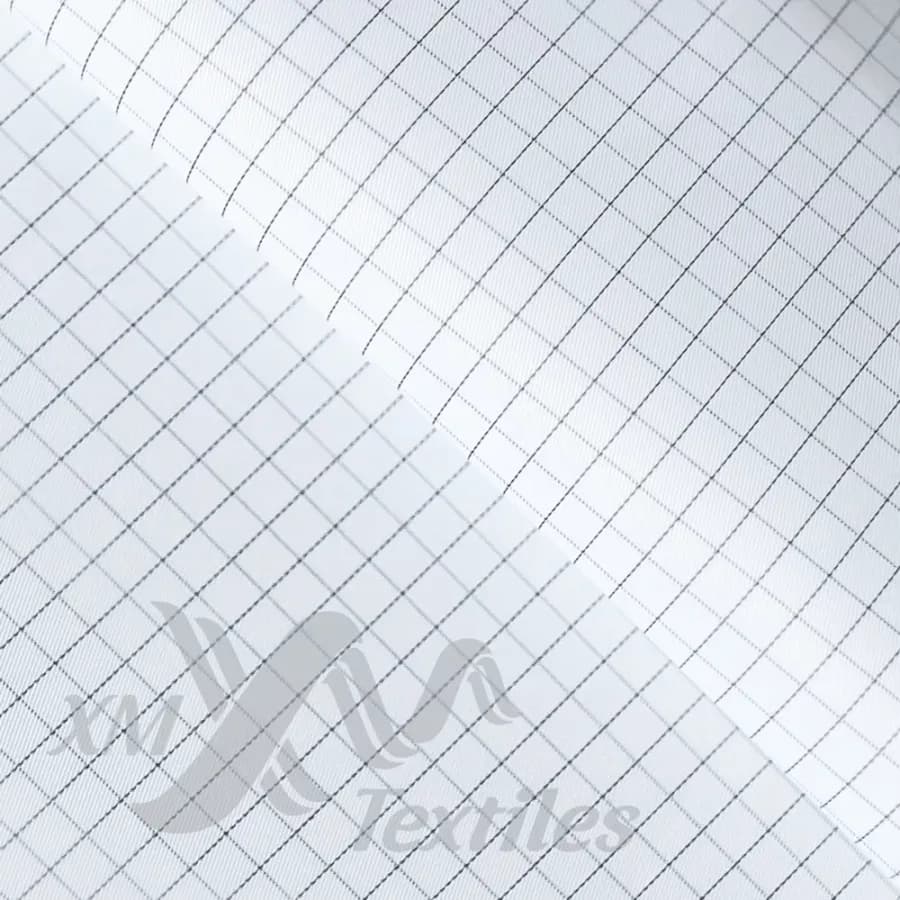
CLEANSTATIC-110
110 g/m² | 98% Polyester, 2% Carbon Antistatic
from 1,96 € /m · incl. VAT
Filters
Static discharge is a problem in two directions: it destroys electronic components and it ignites flammable atmospheres. ESD fabrics manage it with a conductive carbon grid woven into the cloth, which dissipates charge instead of letting it build. This range holds 9 published articles from 110 to 245 g/m², all OEKO-TEX STANDARD 100 certified, with EN 1149-5 electrostatic certification on selected articles. Used for cleanroom suits, electronics assembly wear and antistatic workwear in explosive-atmosphere zones.
Standard & certification guides
The standards behind this range, explained on xmtextiles.com — what each one covers and how to choose compliant material.
Frequently asked questions
What makes a fabric ESD or antistatic?
A conductive carbon grid woven into the cloth dissipates static charge instead of letting it build up on the garment surface.
Why does static matter?
In two directions: static discharge destroys sensitive electronic components, and in explosive atmospheres a spark is an ignition source.
What is available?
9 published articles from 110 to 245 g/m², all OEKO-TEX STANDARD 100 certified, with EN 1149-5 electrostatic certification on selected articles.
Where are these fabrics used?
Cleanroom suits, electronics assembly wear, pharmaceutical production and antistatic workwear for ATEX-classified zones.