 English
 Polski
 Română
 Italiano
 Español
 Português
 Magyar
 Lietuvių
 Ελληνικά
 Čeština
Inherently Flame Resistant Fabrics
Inherently flame-resistant fabrics in aramid and modacrylic blends - FR performance built into the fibre, so it cannot wash out over the garment life.
7 products
- Featured
- Name A–Z
- Price: low to high
- Price: high to low
- Weight: light to heavy
- Weight: heavy to light
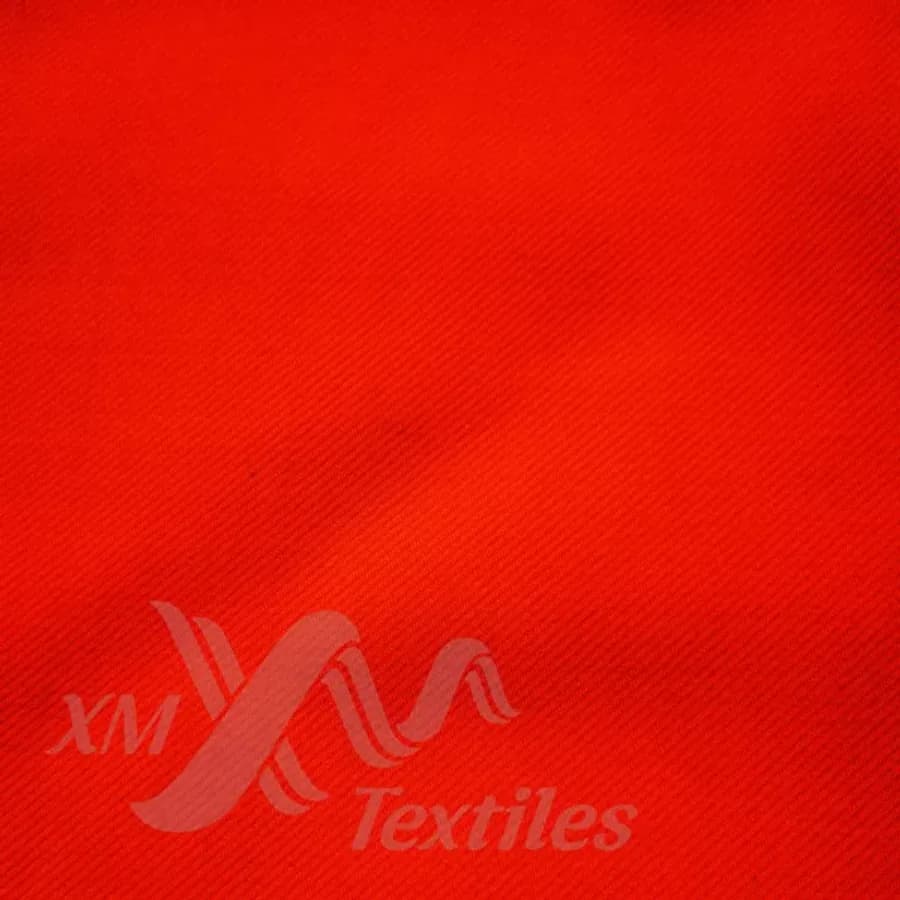
ITAKA-300
300 g/m² | 46% Modacrylic, 25% Polyester, 12% Cellulose, 8% Aramid, 8% Polyamide, 1% Carbon Antistatic
26,76 € /m · incl. VAT
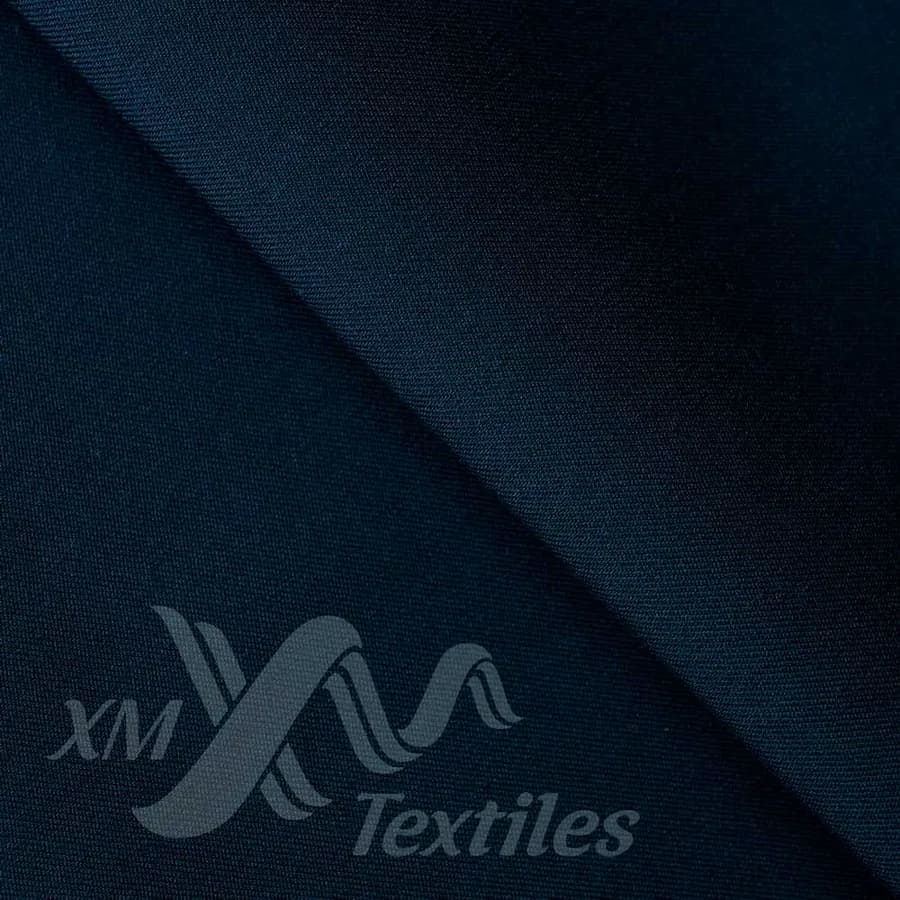
ARTEX-210
210 g/m² | 93% Meta-Aramid, 5% Para-Aramid, 2% Carbon Antistatic
30,33 € /m · incl. VAT
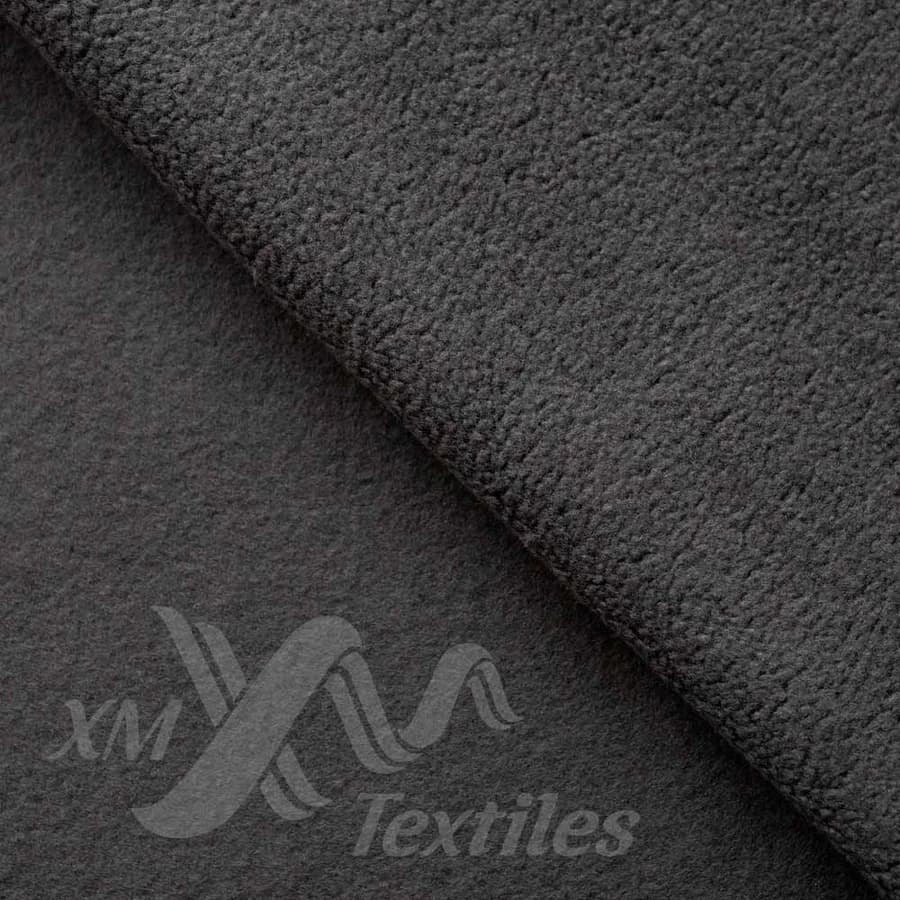
FR-FLEECE-280
280 g/m² | 60% Modacrylic, 38% Cotton, 2% Carbon Antistatic
from 37,31 € /kg · incl. VAT
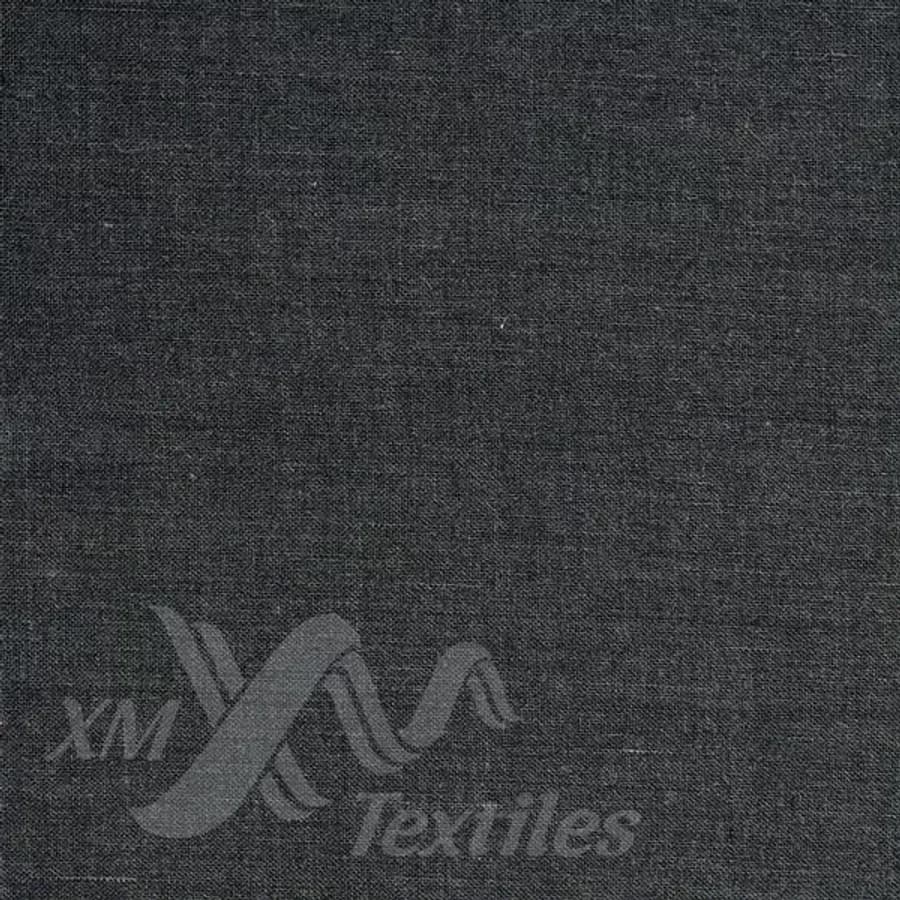
ARAVIS-120
120 g/m² | 50% Meta-Aramid, 50% Viscose
11,72 € /m · incl. VAT
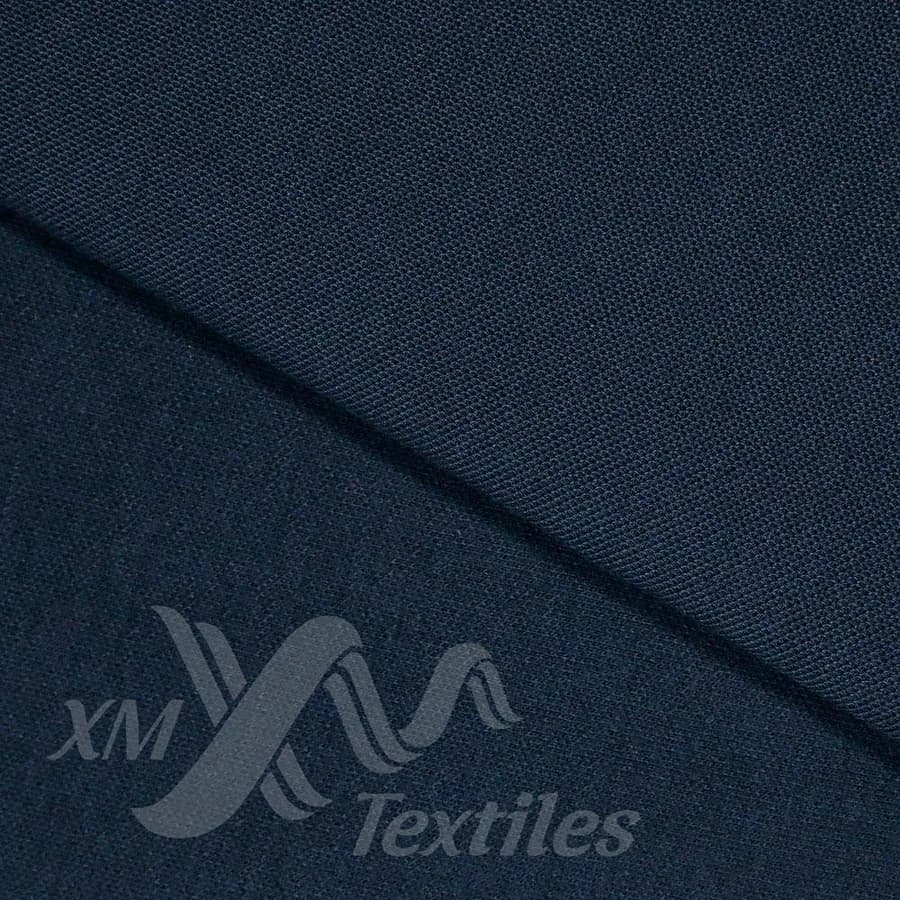
FR-PIQUE-230
230 g/m² | 60% Modacrylic, 38% Cotton, 2% Carbon Antistatic
from 32,24 € /kg · incl. VAT
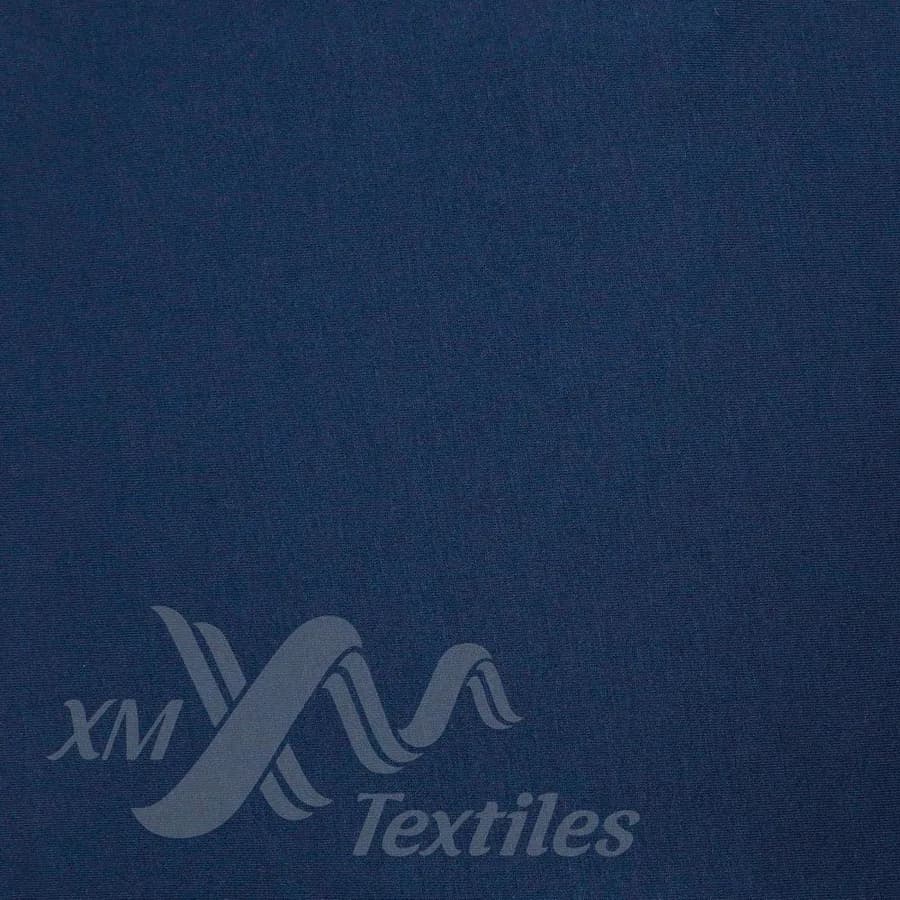
FR-JERSEY-200C
200 g/m² | 60% Modacrylic, 38% Cotton, 2% Carbon Antistatic
from 31,81 € /kg · incl. VAT
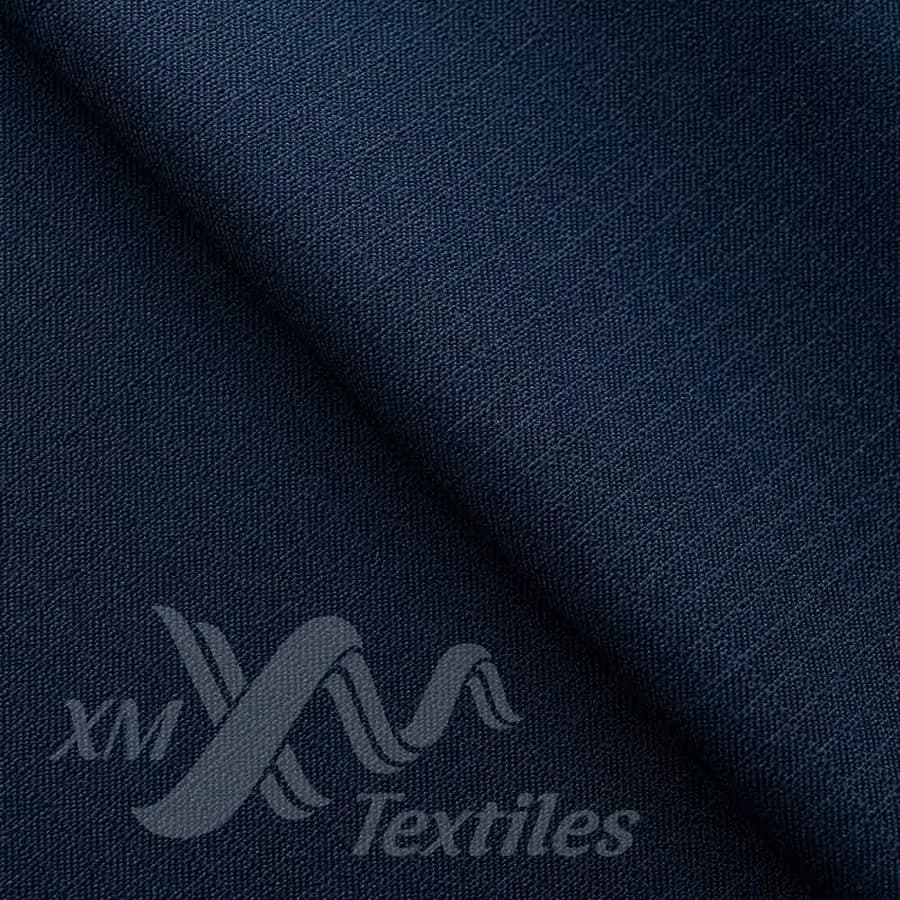
SIRENA-255
255 g/m² | 55% Modacrylic, 32% Cotton, 7% Polyamide, 5% Para-Aramid, 1% Carbon Antistatic
from 22,35 € /m · incl. VAT
Filters
Inherent FR fabrics carry protection in the polymer of the fibre itself, so flame resistance cannot be washed out or worn away over the garment's life — unlike a treated finish. This range holds 12 published articles from 120 to 300 g/m² in woven, knitted and lining constructions using modacrylic and aramid blends, all OEKO-TEX STANDARD 100 certified. Further certifications include EN ISO 11612, EN 61482, EN 1149-5, EN 13034 and EN ISO 11611, with hi-vis versions to EN ISO 20471. For arc-flash, welding and petrochemical work.
Standard & certification guides
The standards behind this range, explained on xmtextiles.com — what each one covers and how to choose compliant material.
- EN ISO 11612Protection against heat and flame
- EN ISO 11611Protective clothing for welding and allied processes
- IEC 61482-2Protection against thermal hazards of an electric arc
- EN 1149-5Electrostatic properties — antistatic protective clothing
- EN ISO 20471High-visibility clothing
- EN 13034Protection against liquid chemicals (Type 6)
Frequently asked questions
What does inherently flame resistant mean?
The protection is in the polymer of the fibre itself, so it cannot be washed out or worn away over the garment's life — unlike a treated finish.
Which fibres are used?
Modacrylic and aramid blends, in woven, knitted and lining constructions. 12 published articles from 120 to 300 g/m², all OEKO-TEX STANDARD 100 certified.
Is inherent always better than treated?
Not always — it costs more. Treated FR is the sound choice where wash counts are known and controlled; inherent is chosen where the garment life is long or laundering is uncontrolled.
What risks do they cover?
EN ISO 11612 heat and flame, EN 61482 arc flash, EN 1149-5 static, EN 13034 chemical splash and EN ISO 11611 welding, depending on article.